

Mama AYA Ayahuasca: An Informative Guide to Its Origins and Use
Updated: Jan 10
1. What Is Ayahuasca?
Ayahuasca is a traditional psychoactive brew originating from the Amazon rainforest. It is made by combining two primary plants:
Banisteriopsis caapi (a vine): Contains MAO inhibitors (harmine, harmaline).
Psychotria viridis (a shrub): Contains DMT (dimethyltryptamine), a potent hallucinogen.
The MAO inhibitors in B. caapi allow the DMT in P. viridis to become orally active, creating a long-lasting visionary experience.
2. Origins and Indigenous Use
Cultural roots: Used for centuries by Indigenous Amazonian tribes in Peru, Brazil, Colombia, and Ecuador.
Traditional purposes:
Spiritual healing
Connecting with nature or spirits
Divination and gaining insight
Physical cleansing or purging
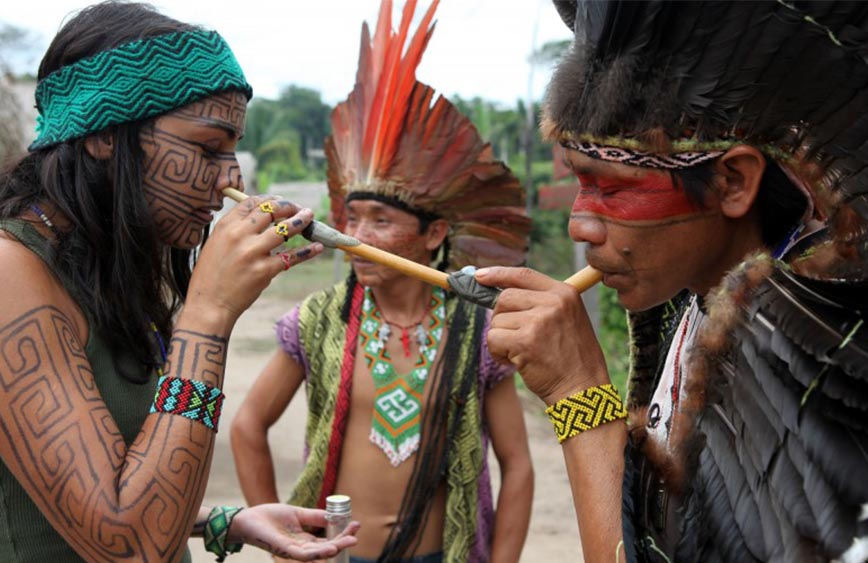
Ceremonial use: Administered by a trained shaman or curandero, often accompanied by rituals, icaros (sacred songs), and tobacco.
3. How Ayahuasca Works
DMT: A powerful psychedelic that alters perception, mood, and cognition. MAO Inhibitors (MAOIs): Allow DMT to reach the brain by preventing it from being broken down in the digestive system.
Typical effects:
Vivid visions
Emotional introspection
Sense of connection or unity
Purging (vomiting, diarrhea) – considered part of the cleansing process
4. Modern Use and Global Spread
Ayahuasca tourism: Increasingly popular in South America, especially in Peru and Brazil.
Western interest: Used in spiritual retreats, psychotherapy, and personal growth.
Scientific research: Studies suggest potential benefits for:
PTSD
Depression
Addiction
Anxiety
5. Potential Benefits
Psychological insight: Deep emotional revelations and healing.
Behavioral change: Many report quitting addictions or harmful habits.
Spiritual connection: Feelings of oneness, understanding, or reconnection to life’s purpose.
Improved mental health: Some studies suggest long-term improvements in mood and well-being.
6. Risks and Precautions
Mental health: Not recommended for individuals with schizophrenia or bipolar disorder.
Medical interactions: Dangerous if combined with antidepressants (SSRIs, MAOIs) or other medications.
Physical effects: Can include nausea, vomiting, diarrhea, and elevated heart rate.
Unregulated environments: Safety and guidance can vary; some retreats lack proper oversight.
Important: Always consult a medical professional before considering Ayahuasca, especially if you have health concerns or take medication.
7. Legal Status
Varies by country:
Legal or tolerated: Brazil, Peru, Colombia (for religious/spiritual use)
Restricted or illegal: Many Western countries due to the DMT content
Religious protections: Some groups have legal exemptions.
8. Conclusion
Ayahuasca is a powerful plant medicine with deep cultural roots and significant potential for transformation when used with respect and proper guidance. While its growing popularity has brought it into global awareness, it’s vital to approach it with caution, cultural sensitivity, and informed preparation.



Comments